

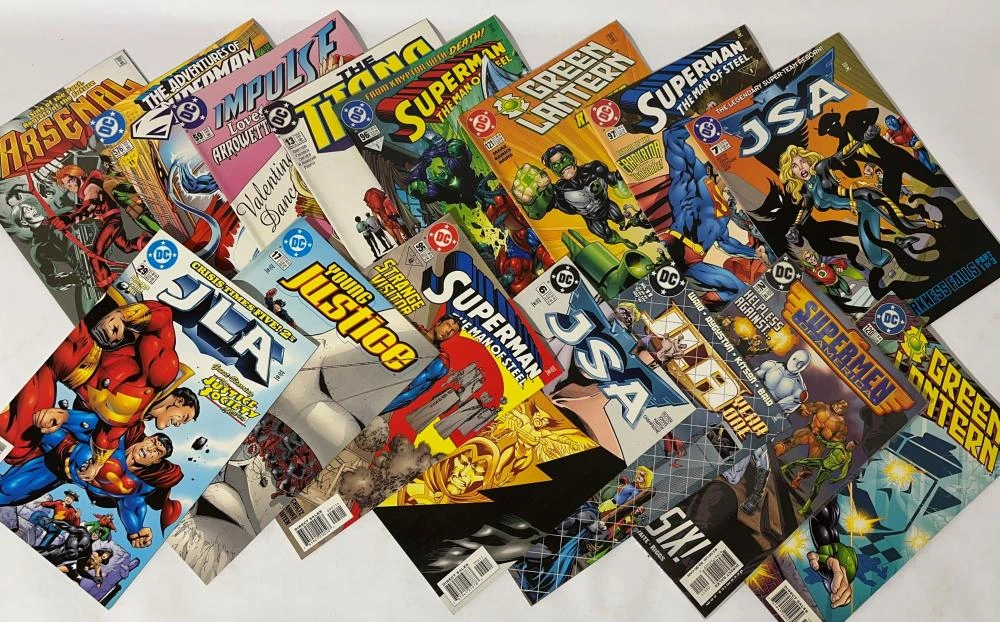
Handling inherited or long-dormant vintage comic book collections exposes delicate paper artifacts to severe physical and environmental hazards. Uncertified raw comic books from the Golden, Silver, and Bronze Ages remain highly susceptible to structural damage, spine splitting, and moisture absorption when moved from stable storage environments. Estate administrators and heirs attempting to liquidate high-value key issues frequently default to shipping raw inventories to distant auction houses or third-party grading facilities. However, entrusting fragile mid-century newsprint to commercial courier networks introduces extreme risks, including package loss, heavy parcel crushing, and prolonged exposure to fluctuating transit temperatures. A single dropped shipping box or uninsulated cargo hold can instantly downgrade a pristine investment-grade copy into a mid-grade liability, wiping out thousands of dollars in potential financial equity before an appraisal even occurs. Securing maximum value for heritage pop-culture media requires eliminating transit variables through secure regional evaluations and direct acquisition protocols.
When structuring secure estate liquidations across the Midwest, reviewing regional acquisition protocols through https://www.comicbuyingcenter.com/chicago provides administrators with immediate access to professional physical appraisals without shipping hazards. Experienced valuation specialists at Comic Buying Center in Libertyville analyze page suppleness, inspect structural spine integrity, and execute direct cash transactions for complete inventories in a single secure session.
Prioritizing in-person physical collection reviews protects rare vintage publications from catastrophic handling accidents. Establishing direct contact with verified regional appraisal specialists ensures that heirs and collectors receive transparent financial value and immediate payout settlement while preserving the historical integrity of rare paper media.
Micro-Climates, Humidity Fluctuation, and Transit Vulnerabilities
Understanding paper chemistry is critical when assessing the risks of commercial comic book transportation. Mid-century comic books were printed on inexpensive wood pulp newsprint containing high concentrations of natural lignin. When exposed to fluctuating environmental conditions, lignin rapidly oxidizes, producing acidic compounds that break down cellulose fibers. During long-distance commercial transit, uninsulated cargo trucks experience wild temperature swings, causing micro-condensation to form inside standard cardboard shipping boxes. This sudden moisture introduction accelerates acid hydrolysis, causing previously supple white pages to shift toward brittle, tan, or brown degradation within a matter of days.
Furthermore, raw comic books require rigid, multi-layered packaging to prevent spine stress during transit. Even with archival Mylar sleeves and acid-free backing boards, the sheer kinetic vibration of commercial transport trucks induces micro-abrasions along delicate cover margins and staple lines. Small physical defects—such as new color-breaking spine ticks or blunted corners sustained during shipping—drastically alter a vintage issue’s final technical grade and secondary market pricing.
In-person regional appraisals eliminate these compounding transit risks entirely. By keeping high-value collections within controlled environments, sellers prevent sudden chemical oxidation and physical impact damage from destroying decades of careful preservation.
Regional Liquidation Efficiency and Direct Valuation Protocols
Selling vintage comic book archives through traditional national auction houses requires navigating complex logistical hurdles and extended financial waiting periods. Auction listings mandate lengthy cataloging lead times, expensive third-party grading submissions, and seller commission fees ranging from ten to twenty percent. Furthermore, auction models provide no contractual guarantee that items will achieve estimated reserve thresholds. If a rare key issue fails to generate active competitive bidding, it may sell far below established fair market value, while the seller remains liable for initial shipping and insurance expenses.
Direct private purchasing offers an efficient alternative by eliminating transit liabilities, third-party commission deductions, and market performance risks. Specialized private buyers conduct comprehensive inventory evaluations on-site, pricing both flagship key issues and bulk filler runs to formulate accurate payout terms. During these sessions, appraisers utilize ultraviolet fluorescence lighting and optical magnification to identify hidden chemical solvents, synthetic adhesive residues, and professional restoration without requiring books to leave the seller’s possession.
Ultimately, liquidating a high-value vintage comic collection demands combining paper chemistry expertise, physical security, and secure direct capital settlement. Partnering with established regional appraisal specialists ensures that rare cultural treasures are properly authenticated, preserved, and converted into direct financial equity without the systemic risks of commercial shipping.
