

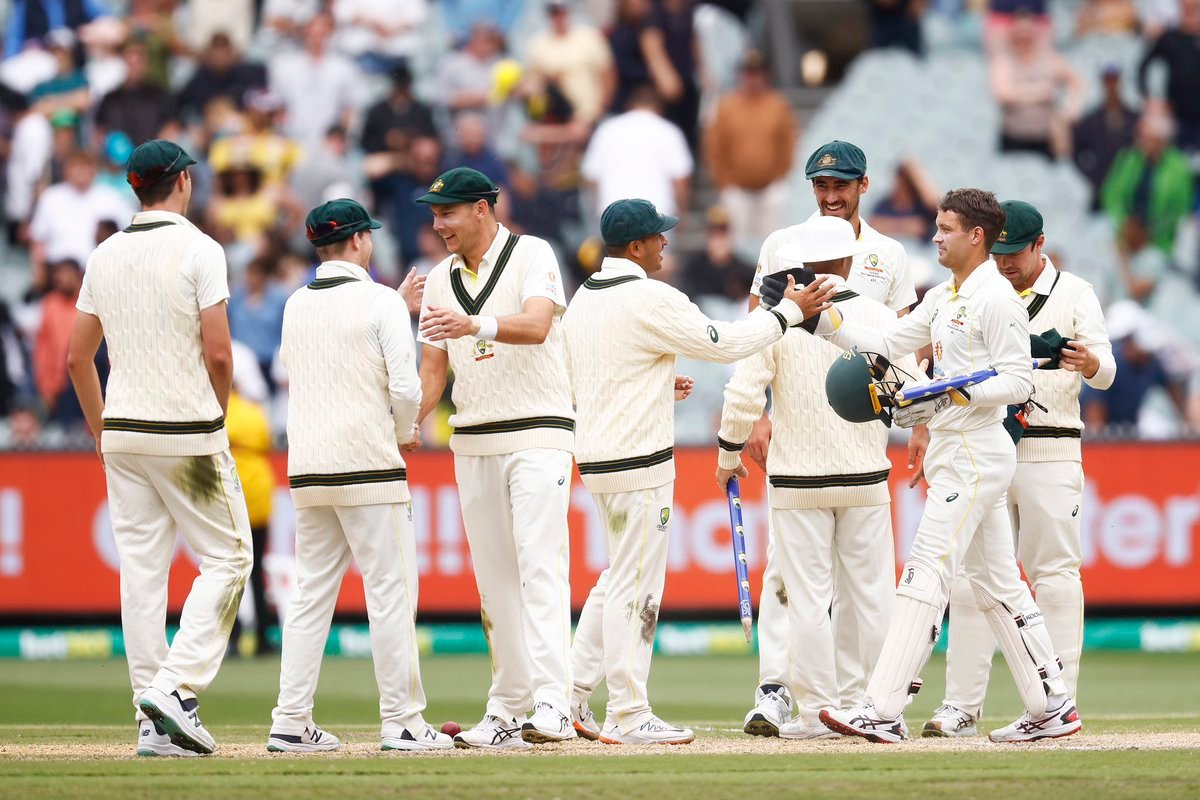
Cricket rewards structure. A team full of individual stars can still lose to a side that defends better, rotates strike smarter, and reads the pitch correctly. Success in cricket comes from a stack of small, repeatable advantages. Here is what actually separates winning teams from the rest.
Squad Balance Beats Star Power
A balanced XI wins more matches than a star-heavy one. Selectors need batters who can rotate strike, bowlers who can defend totals under pressure, and at least two players who can bowl a specialist over in a crunch situation. Depth matters more than headline names.
A well-balanced squad usually covers:
- Top-order batters built for stability, not just strike rate
- Middle-order finishers who can accelerate in the last 10 overs
- A pace attack with at least one swing bowler and one who hits the deck hard
- A frontline spinner who can bowl in the middle overs without leaking runs
- Two or three genuine all-rounders who add flexibility to team selection
This mix gives captains options. Without it, a team is one injury away from a tactical gap that opponents will exploit.
Squad Identity Shapes Performance
Cricket is a team sport played by individuals under pressure. Teams that build a strong shared identity tend to perform better under that pressure. This shows up in small details, from training routines to how the group presents itself on match day. Many domestic and club sides now invest in custom cricket jerseys as part of building that identity, since a consistent kit reinforces unity and gives players a sense of belonging to something larger than their individual stats.
Identity is not decoration. It affects communication on the field, how quickly players trust a new captain’s decisions, and how a squad absorbs a batting collapse without falling apart mentally.
Role Clarity in the Batting Order
Every batter needs a defined job. A number three who does not know whether they are anchoring the innings or attacking from ball one will make inconsistent decisions under pressure. Successful teams assign roles before the tournament starts, not during it.
This means:
- The opener’s job is to see off the new ball and protect the middle order.
- The number four bats through the innings if wickets fall early.
- The finishers train specifically for death overs, not generic batting practice.
Ambiguity here costs runs. Teams that shift roles game to game rarely build the muscle memory needed to execute under pressure.
Bowling Depth Wins Close Matches
Batting wins games on flat pitches. Bowling wins games everywhere else. A team needs at least four bowlers capable of taking wickets in different phases: powerplay swing, middle-over control, and death-over yorkers or slower balls. One brilliant bowler is not a bowling attack. It is a liability if that bowler has an off day or gets injured mid-series.
Variation matters as much as raw pace. A side with only fast bowlers becomes predictable on turning pitches. A side with only spin struggles overseas. The best attacks mix pace, swing, and spin so no single pitch type neutralizes the whole bowling unit.
Fielding Standards Set the Floor
Fielding gets less attention than batting or bowling, but it decides tight matches. Dropped catches and misfields do not just cost runs directly, they shift momentum and confidence. Teams that field well save 15 to 20 runs per innings compared to weaker fielding sides, based on standard run-saving benchmarks used in professional coaching analysis.
Fielding drills should be non-negotiable in training, not an afterthought after batting and bowling sessions run long.
Captaincy and In-Game Reading
A captain’s job is pattern recognition under time pressure. Field placements, bowling changes, and batting order tweaks all depend on reading conditions correctly in real time. Good captains adjust plans based on pitch behavior, not just a pre-match script.
Home advantage is real and measurable. Analysis of international Test and ODI matches played since 1988 found that home teams win close to 59 percent of the time, a gap driven partly by pitch familiarity and partly by toss decisions favoring conditions the home side knows well, according to data reported by the Hindustan Times. Captains who understand local conditions convert that advantage into wins more consistently than those who do not.
Fitness and Physical Conditioning
Modern cricket schedules are dense. Teams that maintain fitness across a long season avoid the injury pileups that force weakened XIs into important matches. Strength and conditioning programs built around match-specific movement patterns, like fast twitch sprinting between wickets and rotational power for bowling, matter more than generic gym work.
Data-Driven Decision Making
Analytics now shape team selection, bowling matchups, and field placements. Teams that track player performance against specific bowling types or field zones make sharper tactical calls than teams relying purely on instinct. This does not replace coaching judgment. It sharpens it.
Final Word
No single factor makes a cricket team successful. Balanced squads, clear roles, deep bowling attacks, sharp fielding, smart captaincy, physical conditioning, and a strong team identity all compound together. Teams that get most of these right consistently outperform teams that rely on one or two star players to carry the rest.
