

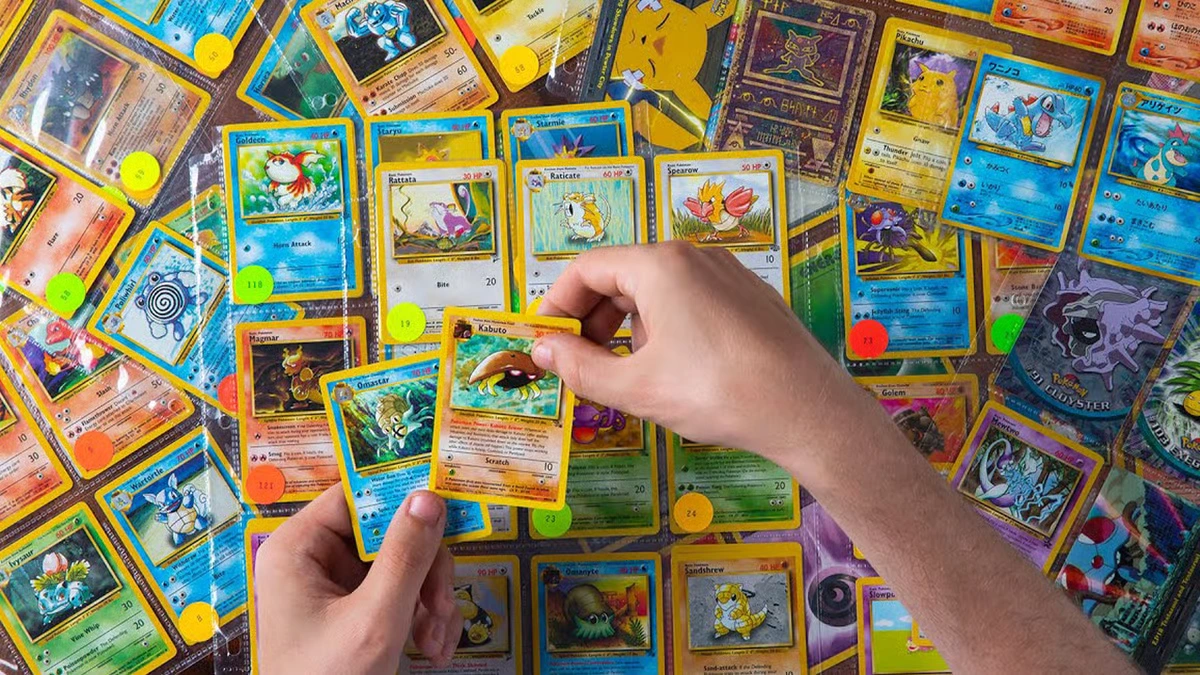
A Magic: The Gathering collection can represent years of collecting, trading, drafting, and playing. Some cards are worth only a few cents. Others can be worth hundreds or more. Regardless of monetary value, proper storage helps prevent avoidable damage.
MTG cards are made from layered paper materials. They can be affected by moisture, heat, friction, pressure, dirt, and repeated handling. Good protection is therefore less about one product and more about controlling the conditions around the cards.
Start With Quality Card Sleeves
The most basic layer of protection is also one of the most important. A sleeve creates a barrier between the card surface and the player’s hands, table, shuffle friction, and other cards.
For cards used regularly, choose properly fitting MTG card sleeves made for standard-size trading cards. The sleeve should hold the card securely without excessive movement inside the pocket.
Sleeves also have an important role in competitive play. Wizards of the Coast has noted that scratches or wear on a card can potentially make it identifiable. In tournament settings, cards must be unmarked or protected by unmarked sleeves.
Inspect sleeves regularly. Replace them when they become cloudy, split, heavily scratched, or noticeably different from the rest of the deck.
Control Humidity and Temperature
Moisture is one of the biggest environmental risks for paper-based collectibles. Excess humidity can cause cards to warp, soften, or develop surface problems. Long-term exposure to damp conditions can also encourage mold growth.
The U.S. Environmental Protection Agency recommends keeping indoor relative humidity below 60%, with 30% to 50% considered ideal when possible.
A small digital hygrometer can help monitor the storage environment. This is especially useful in rooms that experience large humidity changes.
Avoid storing cards:
- In basements or areas prone to leaks
- Directly against exterior walls
- Near windows with strong sunlight
- Beside bathrooms or other moisture sources
- In locations with poor ventilation
Stable conditions are preferable to frequent temperature and humidity swings.
Use Proper Storage Boxes
Sleeves protect individual cards, but they are not enough for long-term collection storage. Cards also need structural protection.
Use rigid deck boxes for cards that see regular play. For larger collections, use purpose-built trading card storage boxes that keep cards upright and supported.
Do not overfill a box. Excessive pressure can bend cards and make removal difficult. At the same time, cards should not have so much empty space that they fall over and shift constantly.
Keep valuable cards separated from bulk cards. This makes the collection easier to organize and reduces unnecessary handling.
Handle Cards With Clean Hands
Finger oils, food residue, dust, and moisture can gradually affect card surfaces. Handling cards correctly is simple, but consistency matters.
Wash and dry your hands before sorting or organizing a collection. Avoid eating over cards. Keep drinks away from the playing area.
When examining an expensive card, hold it by the edges whenever practical. Avoid rubbing the surface or repeatedly sliding it across a table.
A clean play surface also helps. Small particles can become trapped between cards and sleeves, creating pressure points or scratches during shuffling.
Protect Cards From Light
Light exposure is often overlooked because damage develops gradually. Direct sunlight can contribute to fading and discoloration, particularly over long periods.
Store valuable cards in a dark or low-light environment when they are not being displayed. Avoid leaving binders or storage boxes beside windows.
For cards that are displayed, consider UV-filtering protection. Display cases should also provide enough space to prevent the cards from pressing against the case surface.
Use Binders Correctly
Binders are useful for collections, trades, and cards that need to remain accessible. However, binder design matters.
Choose pages that hold cards securely without putting excessive pressure on them. Avoid overstuffing pages. Cards should slide into pockets without force.
Store binders upright rather than stacking heavy objects on top of them. Heavy pressure can cause cards and pages to deform over time.
For higher-value cards, use an additional inner sleeve before placing them into a binder pocket. This provides another barrier against dust and handling.
Build Protection Around Your Playing Habits
Not every card needs the same level of protection. A deck used several times a week needs durable sleeves and a reliable deck box. A valuable card kept primarily for collecting may benefit more from careful storage and minimal handling.
Think of card protection as a system:
- Sleeve cards that are played regularly.
- Store decks in rigid, appropriately sized boxes.
- Keep collection storage in a stable environment.
- Monitor humidity when conditions are damp.
- Limit unnecessary handling.
- Inspect valuable cards periodically.
This approach protects both the physical condition and long-term usability of a collection.
A well-maintained MTG collection is easier to play, trade, organize, and preserve. The key is consistency. Small protective measures taken every time you handle your cards can prevent much more serious damage later.
