

I remember when I was younger, I was very much into archeology and history. Naturally, I was very inclined to fossils and artifacts that were from ancient history. However, at the time, looking at all of these artifacts meant that I would have to drag my family to museums, which required a lot of planning, and if we ever ended up not going, it would be very disappointing.
However, now visiting a museum is as easy as ABC. You can do it from within the comfort of your home, all thanks to the power and accessibility of the internet. You can now find digital museums online where you can spend as much time as you like, delving into artifacts that take you back in ancient history.
You can utilize features such as Artificial Intelligence (AI), Virtual Reality (VR), Augmented Reality (AR), and 3D scanning at home to make the most out of your museum experience at home. As a precursor, you need to ensure that the device you wish to use to visit a museum is connected to a superfast and reliable internet service so that you have a seamless experience.
If you’re looking for options on your internet service, you can head to LocalCableDeals to figure out which internet service works for you the best. Once you have your internet situation figured out, you can begin your virtual museum tours. Here’s everything you need to know about digital museums before you begin visiting them.
Key Technologies and Their Significance
3D Imaging and Scanning
Among the most noticeable technologies in digital museums, 3D scanning has taken museums light-years ahead. 3D imaging and scanning create detailed digital models of artifacts and sites, which museums can add to their digital art collections. This also allows museums to add a layer of security to the actual artifacts since enthusiasts can now view them online.
This also paves the way for virtual exploration. If you go to a physical museum, there might be a chance that you miss out on some of the artifacts, but as you explore online, you can go through the entire online heritage archives to view all the artifacts and sites through realistic 3D models. Not only that, but online museums also have an edge since the technology allows them to accurately replicate artifacts so that they can preserve the original ones.
Virtual and Augmented Reality (VR and AR)
Before this, you must have only seen VR and AR in online shopping, which allows you to browse through online stores through a VR headset or try on products using AR. However, you’ll be glad to know that the same concept applies to digital museums as well, since VR museum experiences are the kind that you shouldn’t miss out on.
You should be on the lookout for events, since VR technology offers immersive tours through digital museums, bringing all historical sites to life and allowing visitors to “walk through” these exhibits from the comfort of their homes. If you’re looking for specifics, you should look into the UNESCO Journeys that they host.
AI and Machine Learning
You must be wondering, “What exactly powers a digital museum, and how does it know what I want?” The answer is fairly simple: digital museums apply the concept of artificial intelligence (AI) and machine learning to bring these museums to life. These technologies also aid in other cultural preservation technologies that make it possible for you to visit your favorite museums and view the artifacts and sites from the comfort of your home, so that you don’t have to miss out.
AI also powers personalized guidance through which it gives you an overview of the artifacts you are looking at, and also gives you an insight into the history of places and artifacts and their significance. AI also serves as the mind behind interactive exhibits, which makes it feel as if you are actually at the museum and interacting with the artifacts, making AI a core part of museum technology trends.
Plus, you’ll be glad to know that digital museums are a great idea for kids as well who have a budding interest in history, artifacts, civilizations, cultures, and traditions. You can make your kids visit these digital museums, and the AI will explain all the significance of the history to them through intelligent analysis and facts.
Access to Digital Archives and Databases
If you pay attention to the intricacies of digital museums, you’ll notice how they culminate in a vast collection of high-resolution images of artifacts and metadata, which you can notice in Google Arts and Culture, making it possible for you to experience the museum as it would be in real life. This also makes these museums searchable to researchers and the public.
Another great thing about digital museums is that they aren’t only accessible for people within the country, in our case, the United States, but they can be accessed by anyone, anywhere in the world. This makes it possible for people to observe other cultures and learn more about them, creating a cohesive force between people.
The Internet of Things and QR Codes
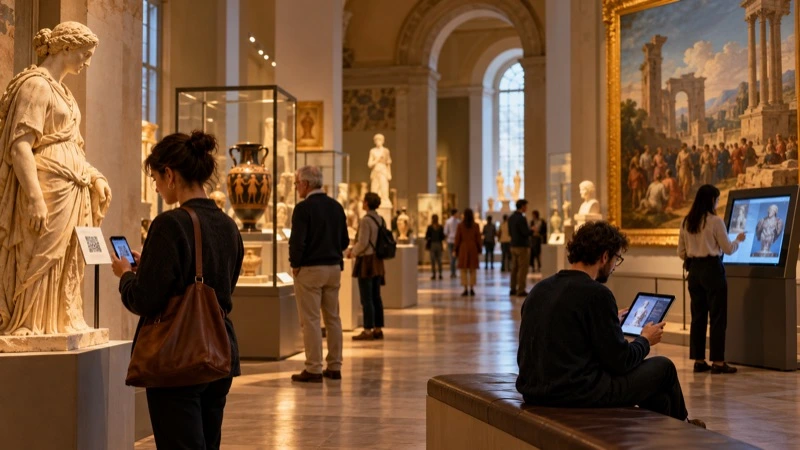
The Internet of Things (IoT) and QR codes enable the creation of a hybrid system that bridges the gap between physical and digital museums. For instance, IoT and QR codes enhance physical visits through interactive context-aware information once people scan them. For instance, you can place QR codes next to artifacts in physical museums, and when people scan them with their smartphones, they can read more about the artifact, or better yet, they can listen to the story behind it.
This helps visitors have a more interactive experience once they visit the museum and also helps them develop an interest in history once they listen to the stories. Therefore, if you want to make the most out of your museum experiences, then museum owners should incorporate this idea in their museum to make the most out of it. You can also look into museums that have already integrated this system, so that you can pay them a visit as well.
The Usage of Tech to Preserve Culture
There are quite a few ways in which the use of technology has helped in preserving culture, with the following ways being the most prominent.
Safety Against Threats
Digitizing artifacts and museums helps in creating backups against physical damage and threats such as vandalism, environmental damage, disasters, and so on. This helps ensure that the artifacts are preserved long-term and have a higher survival rate.
Access on a Global Scale
Next up, the use of technology also helps in providing access to people on a global scale, as I mentioned earlier. Digitizing museums helps in breaking down geographical and political barriers that give people a better opportunity to visit digital museums and learn about other cultures, traditions, and rich history.
It also gives access to remote and disabled people so that they have an equal opportunity to make the most out of museums as well. This helps promote the idea of inclusivity and also enhances cultural appreciation all over the world.
Better Interactive Engagement
If I speak for the younger audience, digitizing museums gives individuals the opportunity to learn through processes such as gamification, interactive elements, storytelling, and a lot more, which is enough to grab the attention and curiosity of children.
Plus, keeping in mind how tech-savvy the next generation is, it would only have made sense if we digitized our museums as well for our younger audiences to visit them.
Aids in Research and Education
Many researchers are always interested in history, which is why you can find a lot of them visiting museums as well. However, with the digitization of museums, researchers can now visit all the museums they want to visit in the shortest time possible. These museums also allow the dissemination of knowledge and give rise to new educational programs, as students are encouraged to visit these museums.
These were some of the most essential ways in which technological developments have helped preserve culture through digital museums. You should also explore a couple whenever you find the time.
