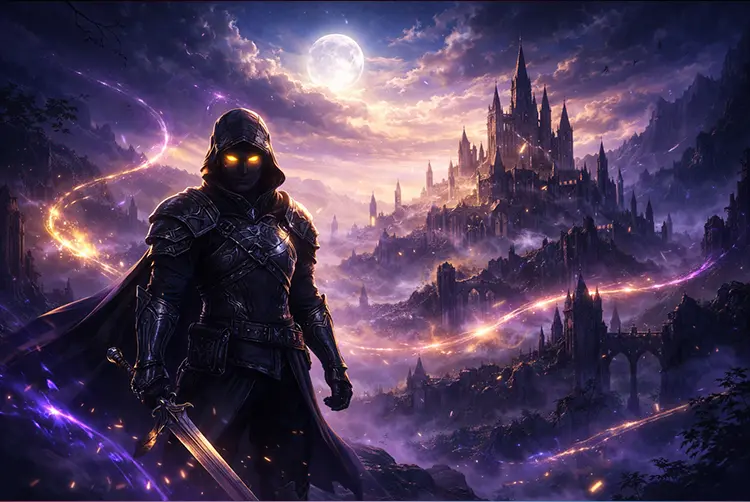
God of War Valhalla isn’t just a standard DLC it’s a bold shift in design that reimagines how players experience Kratos’ world. While God of War Ragnarök focused on cinematic storytelling and semi-open exploration, Valhalla introduces roguelite mechanics, repeatable challenges, and a deeply personal narrative structure that sets it apart from the main game in meaningful ways.
A Completely Different Game Structure
Roguelite Progression Instead of Linear Storytelling
The biggest difference is structure. The main God of War games are story-driven, with carefully paced progression and permanent upgrades. Valhalla, on the other hand, embraces roguelite design.
Each run:
Starts with limited gear and abilities
Forces players to make build-defining choices
Resets on death, while offering long-term progression
This creates a loop more focused on skill mastery and experimentation rather than pure narrative flow.
Replayability Takes Center Stage
In the main game, replay value comes from New Game Plus or optional side quests. Valhalla is designed to be replayed constantly.
Every run offers:
Randomized enemy encounters
Changing buffs and modifiers
New combat combinations
This design philosophy aligns with how modern players approach long-term engagement, similar to how competitive gamers refine performance using PC gaming optimization tips.
Combat Feels Familiar but Plays Differently
Risk-Reward Choices Matter More Than Ever
Combat in Valhalla uses the same core mechanics Leviathan Axe, Blades of Chaos, and tight melee combat—but changes how players approach fights.
Key differences include:
Temporary perks instead of permanent upgrades
Strategic decisions mid-run that shape combat style
Higher punishment for mistakes
Unlike the main game, you’re encouraged to adapt rather than rely on a single overpowered build.
Builds Over Story Progression
In Ragnarök, combat growth is tied to story milestones. In Valhalla, it’s about build synergy.
Players choose:
Damage-focused paths
Defense-heavy survival builds
Ability-driven cooldown strategies
This mirrors how players think when following gaming PC build guides, where each component choice affects overall performance.
A More Introspective Narrative
Story Through Reflection, Not Exploration
Valhalla’s story isn’t delivered through massive cutscenes or long NPC interactions. Instead, it’s told through:
Kratos’ internal struggles
Symbolic environments
Dialogue fragments revealed across runs
It’s quieter, more philosophical, and deeply personal—focusing on identity, legacy, and self-acceptance.
Less Spectacle, More Meaning
The main game thrives on epic moments and cinematic scale. Valhalla strips that back, making players sit with Kratos’ thoughts and past decisions.
This storytelling shift feels intentional, offering contrast rather than repetition—and that’s what makes it effective.
Difficulty Is Designed to Test Mastery
Failure Is Part of Progression
In the main game, dying is a setback. In Valhalla, it’s expected.
Each failure:
Unlocks new knowledge
Improves long-term upgrades
Encourages smarter decision-making
This philosophy reflects modern design trends seen in challenging genres where mastery matters more than raw stats.
A Mode for Experienced Players
While the main game is accessible to a broad audience, Valhalla clearly targets players who already understand combat depth. It rewards:
Mechanical precision
Enemy pattern recognition
Strategic thinking
Much like choosing between AMD or Intel for gaming, streaming, and esports, success comes from understanding trade-offs rather than chasing raw power.
Valhalla vs Main Game: Core Differences at a Glance
| Feature | Main Game | God of War Valhalla |
|---|---|---|
| Structure | Linear, story-driven | Roguelite, repeatable runs |
| Progression | Permanent upgrades | Temporary builds + meta progression |
| Replay Value | Moderate | Extremely high |
| Narrative Style | Cinematic | Psychological & reflective |
| Difficulty Focus | Balanced | Skill and mastery-focused |
Why Valhalla Matters for the Franchise
Valhalla proves that God of War can evolve without losing its identity. Instead of expanding the map or adding more bosses, Santa Monica Studio experimented with structure, pacing, and player psychology.
This approach mirrors a broader industry trend, similar to how discussions around Xbox Series X end of era highlight shifts in how developers think about longevity and player engagement.
Final Verdict: A Bold but Brilliant Departure
God of War Valhalla is different because it dares to be different. It’s not trying to replace the main game it complements it by offering a focused, challenging, and introspective experience that rewards dedication.
For players who loved mastering combat systems, experimenting with builds, and exploring Kratos’ inner conflict, Valhalla feels less like DLC and more like a statement.
FAQs
Is God of War Valhalla a full game or DLC?
Valhalla is a free DLC expansion, but its structure and depth make it feel like a standalone experience.
Do I need to finish the main game before playing Valhalla?
Yes. Valhalla is designed for players familiar with the story and combat mechanics.
Is Valhalla harder than the main game?
Generally, yes. Its roguelite design emphasizes mastery and punishes mistakes more severely.
Does Valhalla change Kratos’ character?
It doesn’t change him it deepens him, focusing on reflection and personal growth rather than external conflict.
Will future God of War games use this format?
It’s unclear, but Valhalla shows the studio is willing to experiment beyond traditional action-adventure design.